

A new scientific project is using chemical fingerprinting to track where Pompeii’s famous pigments came from and what that reveals about Roman trade.
Pompeii’s painted walls are among the most recognized images from the ancient world. But a new research initiative is asking a question that has rarely been answered with precision: where did the paint actually come from?
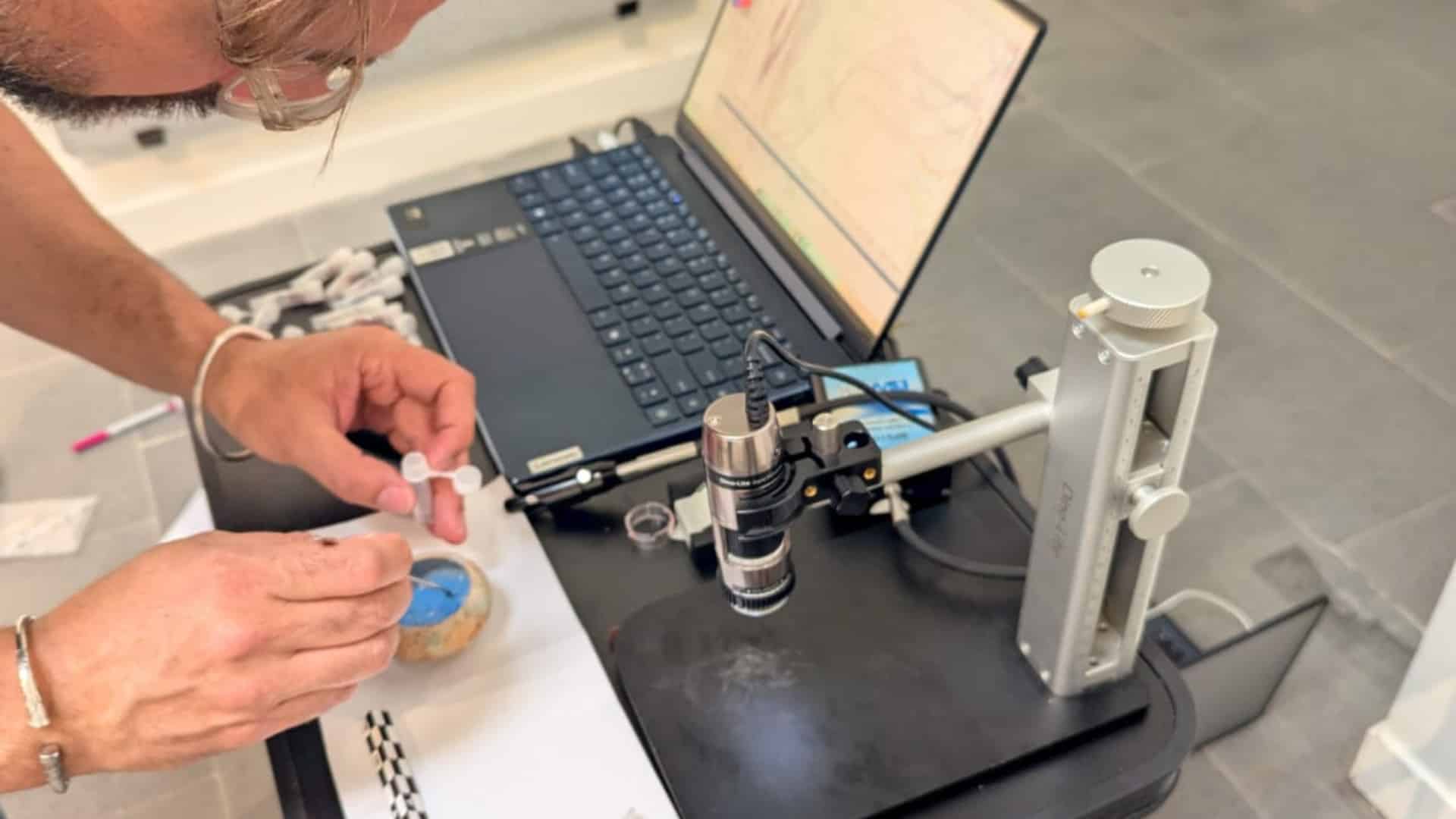
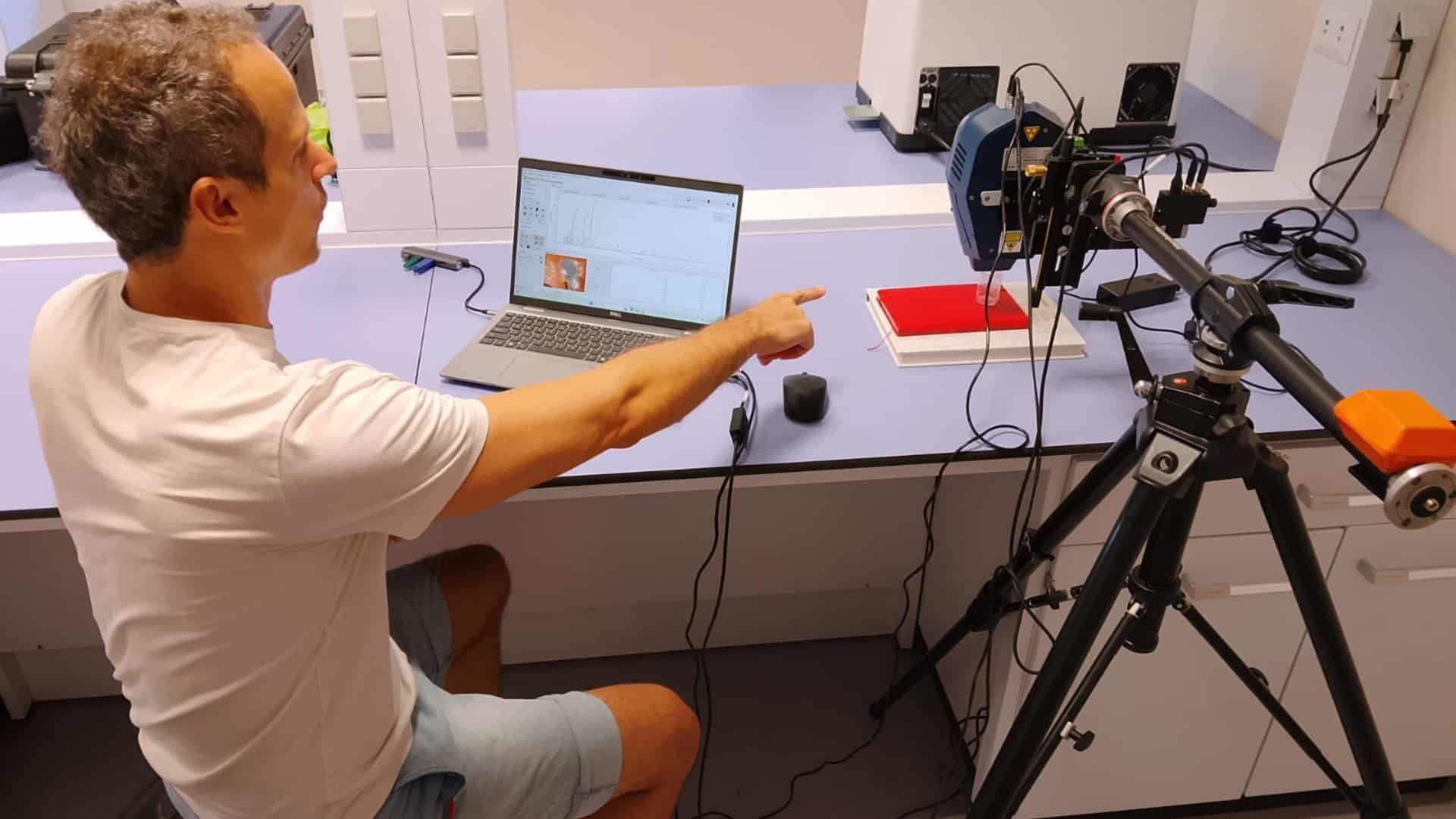
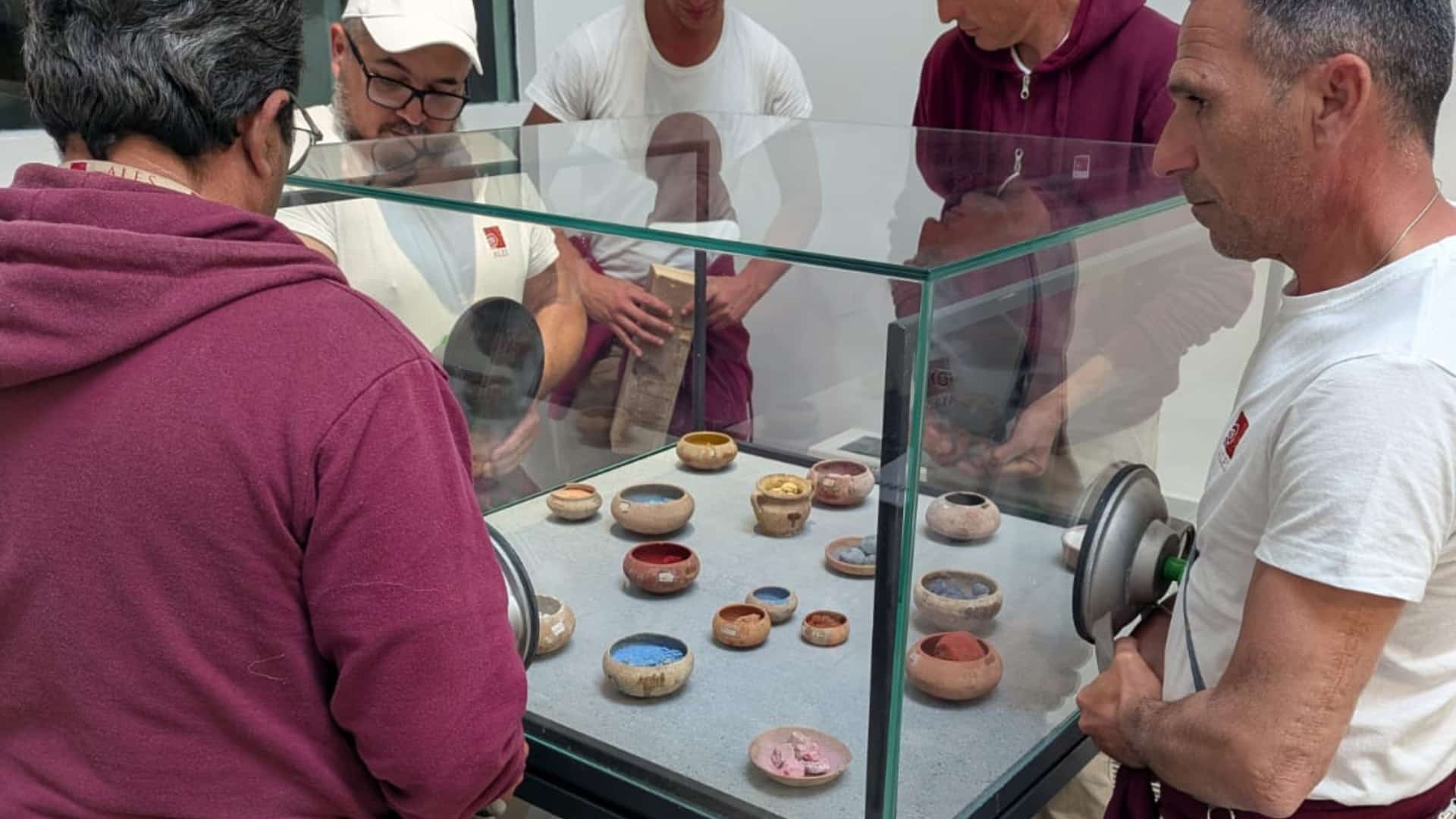
BRICO Pompeii (Bringing Color to Pompeii) is a multidisciplinary project led by the Archaeological Park of Pompeii, under Director General Gabriel Zuchtriegel, in partnership with the University of Sannio and Trier University, with support from ARL’s Expandere Conscientiae Lumen (ECL) Grant. The project focuses on pigment bowls preserved by the 79 CE eruption, found in painters’ workshops and storerooms across the city. Using mineralogical, geochemical, and isotopic analysis, the team is building precise chemical profiles for each color, then cross-referencing those profiles against ancient literary sources, including Pliny’s writings, and modern geological surveys to identify where the raw materials originated.
Fingerprinting Color
The analytical work is still in progress, but the scope of what pigment sourcing can reveal is already clear. “Pigments provide a unique framework that integrates analytical science, geological provenance, Mediterranean trading networks, economic valuation, and artistic expression,” says Zuchtriegel. “Through analytical fingerprinting, wall paintings can be characterized and linked to potential geological sources and extraction contexts.”
What makes pigments particularly valuable as evidence is their stability. Unlike ceramics, paint stays where it is applied thus making it a more reliable marker of trade networks and workshop practice than many other categories of material culture.

Mapping the Trade Routes
Once pigment origins are established, the project reconstructs how those materials traveled to Pompeii. Using a digital maritime atlas developed at Trier University (which models ancient sailing routes based on historical weather patterns and reconstructed Roman merchant vessels) researchers can estimate likely trade paths, travel times, and the economic risks involved in each shipment.
The project is also comparing pigment compositions across buildings of different social status. The relationship between color and wealth in the Roman world was more complex than a simple division between elite and common materials. “Access to color was shaped by local availability, trading connections, workshop traditions, and the intended function of a room or building,” Zuchtriegel explains. Unpacking those patterns across Pompeii’s social spectrum is one of the project’s central aims.

An Open-Access Pigment Library
A core commitment of BRICO is making its findings publicly available. The team is building an open-access pigment library, in essence, a shared platform where data can be accessed, compared, and expanded by researchers, conservators, and educators beyond the project itself.
The pigment bowls preserved at Pompeii offer a rare opportunity to generate reference data that would otherwise be difficult to obtain. “Our goal is to create more than a repository of results,” Zuchtriegel notes. “We hope to build a shared platform where data can be openly accessed, compared, and expanded over time.”
For ARL Director Darius Arya, that breadth of inquiry is precisely what drew the organization to support the project. “It takes a widely diffused element from daily life and unwraps its compelling story as a window into the equally complex world of art, transport, and business,” he says. “The scientific analysis of the pigments is a truly stand-out study that cuts across disciplines.”
BRICO Pompeii is an ECL Grant project, funded by Ancient Rome Live. Learn more here.